Structural Design Packaging: The Unseen Engineering That Drives Sales and Protection
Table of Contents
- Introduction: Structural Design—The Bone and Muscle of Packaging
- Structural vs. Graphic Design: A Critical Distinction
- The 4 Non-Negotiable Attributes of Structural Integrity
- The Economic Impact: Cost Reduction and Profitability
- Customization: Die-Lines, Inserts, and Unique Forms
- The Structural Design Process: From Concept to Prototype
- Design for Channel: Retail vs. E-commerce Durability
- The Structural Role in Sustainability
- Frequently Asked Questions (FAQs)
- The Structural Design Scorecard
- Conclusion: The Foundation of Flawless Packaging
Introduction: Structural Design—The Bone and Muscle of Packaging
When brands talk about design, they often focus on logos, colors, and fonts (the aesthetics). But the true foundation of successful packaging is structural design. This is the process of engineering the physical form, material, and construction of the package. It’s the “bone and muscle” that determines if the product survives transit, maximizes shelf space, and provides a delightful user experience. Investing in expert structural design packaging is essential because a beautiful design is worthless if the product arrives damaged or the box won’t assemble correctly, yaar.
Structural vs. Graphic Design: A Critical Distinction
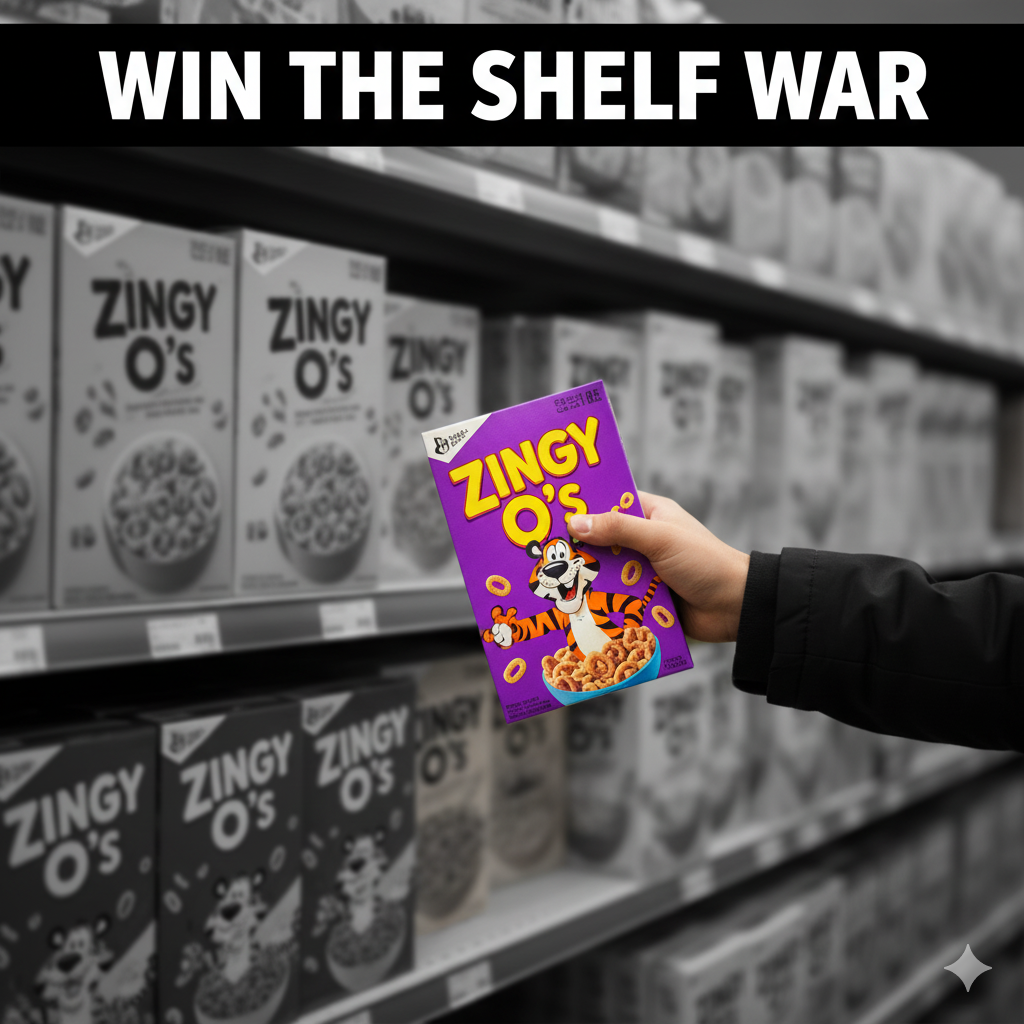
Structural integrity must always be finalized before graphic design begins.
The 4 Non-Negotiable Attributes of Structural Integrity
A package designed by a professional structural engineer ensures these four attributes are met:
- Compression Strength: The ability of the box to withstand crushing forces when stacked high in a warehouse or during transit. This is vital for industrial and bulk shipping.
- Impact Resistance: Protection against sudden shocks and drops (e.g., mail order handling). This requires selecting the correct corrugated flute and cushioning materials.
- Ergonomics and Usability: Designing features like easy-open tear strips, secure closures, and appropriate grip points for easy handling by both customers and warehouse staff.
- Material Efficiency: Using the minimal amount of material necessary to protect the product (known as “lightweighting”), which is crucial for sustainability and cost.
The Economic Impact: Cost Reduction and Profitability
Expert structural design packaging is a direct tool for cost optimization:
- Freight Savings: Designing the package to be right-sized to the product eliminates void space. This reduces the package’s dimensional weight (Dim Weight), which is how carriers charge, leading to significant savings on shipping costs.
- Assembly Efficiency: Complex structural features (like intricate folds or custom inserts) are streamlined to reduce labor time on the assembly line, lowering labor costs for kitting and fulfillment.
- Damage Reduction: Maximizing product protection drastically lowers product return rates, boosting customer satisfaction and reducing inventory loss.
Customization: Die-Lines, Inserts, and Unique Forms
Structural design gives brands the differentiation that generic packaging cannot.
- Proprietary Shapes: Creating a unique, custom-molded bottle or folding carton instantly makes a brand recognizable (like the iconic shapes of Method or Apple packaging).
- Custom Inserts: Designing precise die-cut cardboard, foam, or plastic inserts ensures fragile components are securely locked in place, preventing movement and elevating the unboxing experience to a premium level.
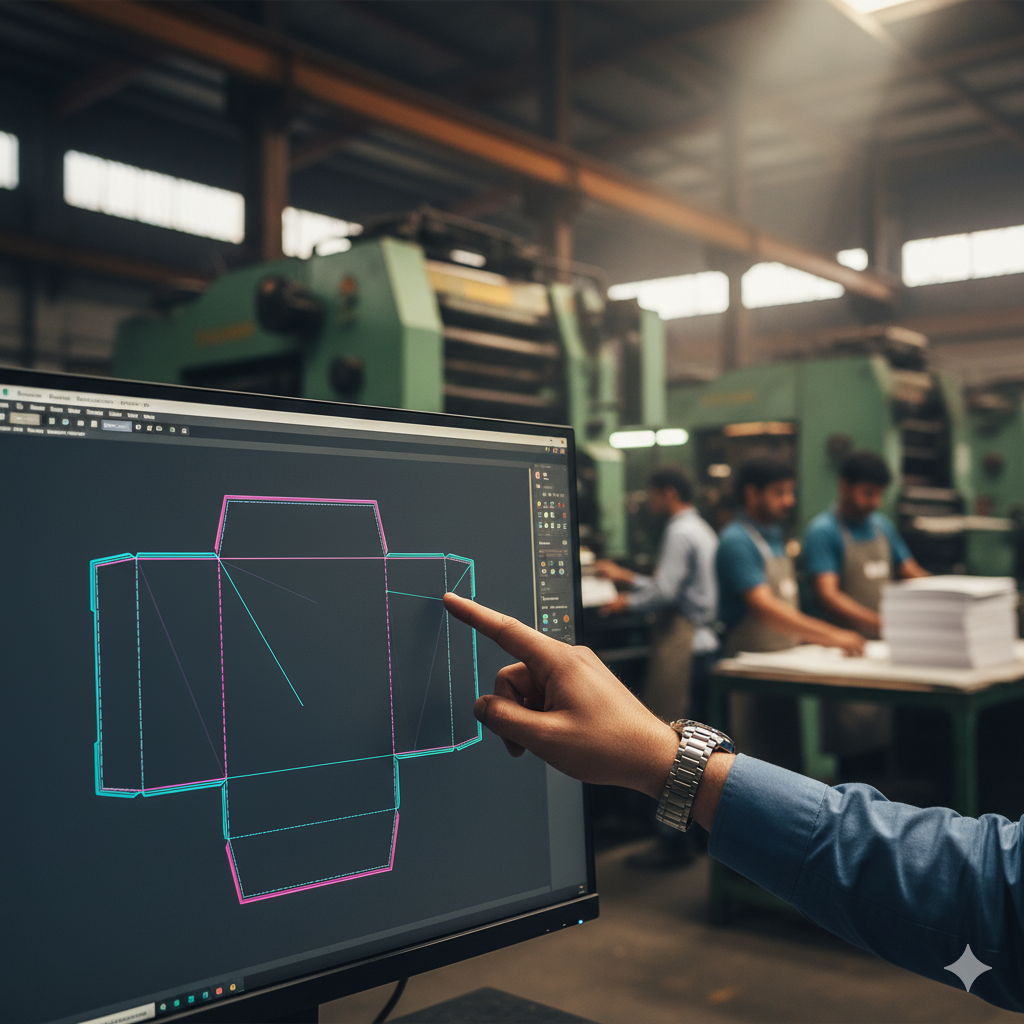
- The Die-Line Master: The die-line is the technical blueprint the structural designer creates. It is the foundation that ensures the box will be cut, folded, and assembled perfectly thousands of times over.
The Structural Design Process: From Concept to Prototype
Structural design follows a rigorous engineering process:
- Product Analysis: Detailed evaluation of the product’s size, weight, fragility, and temperature sensitivity.
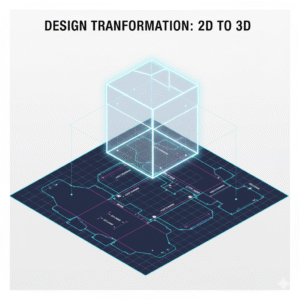
- Concept & Modeling: Using CAD (Computer-Aided Design) software and 3D modeling to draft and refine the structural solution.
- Prototyping and Testing: Creating physical, unprinted samples (prototypes) to test for fit, assembly, and durability (e.g., drop tests, compression tests) before the design moves to expensive mass production. This validation minimizes risk.
Design for Channel: Retail vs. E-commerce Durability
The structural requirements differ based on where the product is sold:
- Retail Packaging: Designed for shelf stability and visual appeal in a controlled environment. Often lighter materials are used.
- E-commerce Packaging: Must be designed for extreme durability to withstand multiple rough handling points in the parcel delivery network (ISTA 6 testing). It requires stronger materials and robust sealing mechanisms.
The Structural Role in Sustainability
Structural engineering is the biggest driver of sustainability in packaging:
- Lightweighting: Reducing material thickness without sacrificing strength.
- Material Choice: Enabling the use of fully recyclable or compostable materials that might have different structural properties than traditional plastics.
Portfolio Showcase: Packaging Design Excellence
See how our expertise in structural design creates protection, cost savings, and unique brand identity for our clients: