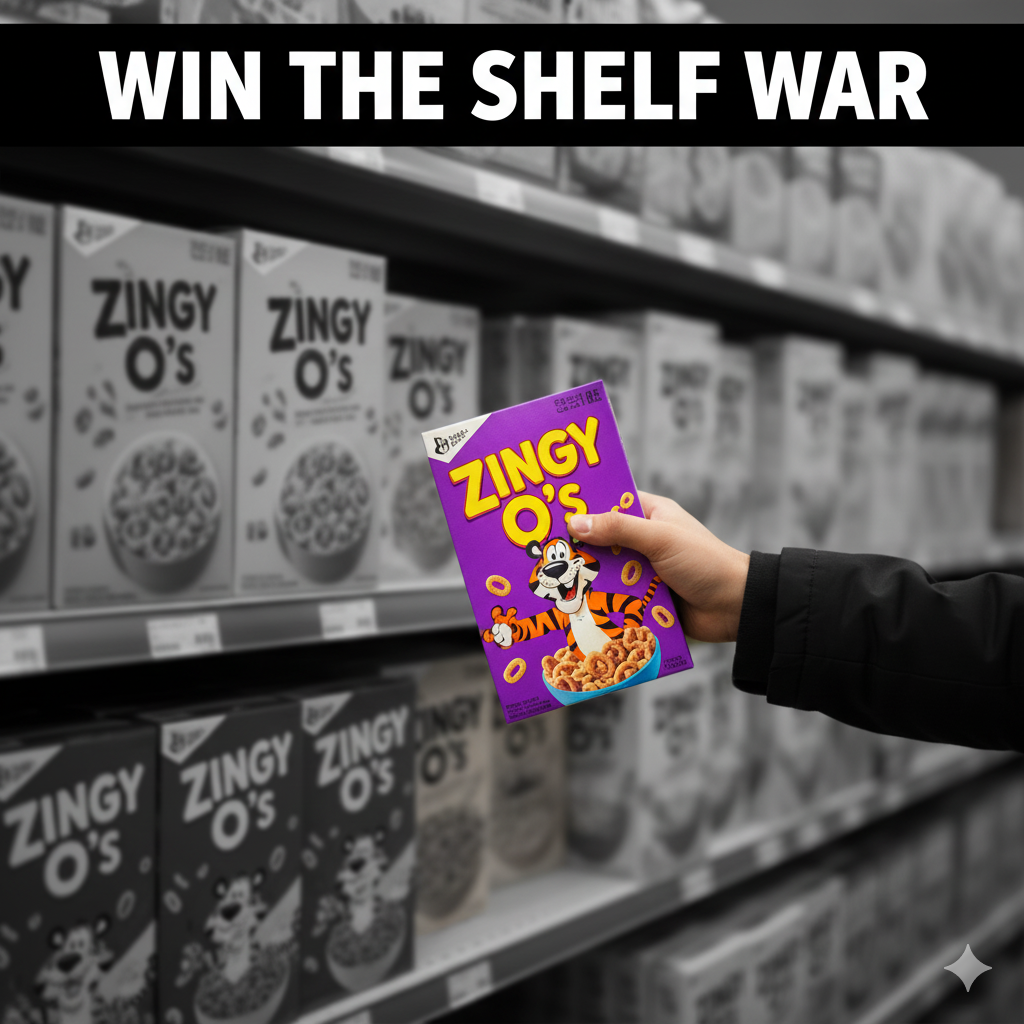
Graphic Design in Packaging: 2025 Guide to Strategy, Dielines & Conversion
Table of Contents
-
Why “Graphic Design in Packaging” Wins in 2025
-
Industry Context: What’s Changed
-
Services & Features to Expect
-
12-Point Scorecard (How to Evaluate)
-
Process: Strategy → Structure → Artwork → Prepress → Print
-
Visual System & Information Hierarchy
-
Compliance & Regulations (By Category/Region)
-
Print Methods & Finishes (Offset/Digital/Flexo + Embellishments)
-
E-Commerce Readiness (Thumbnail → PDP → Unboxing)
-
Sustainability Without Greenwashing
-
Common Mistakes & Quick Fixes
-
Files, Color & Prepress (What Printers Actually Need)
-
Timelines, MOQs & Cost Levers
-
Hire CTA + Internal Portfolio Links
1) Why “Graphic Design in Packaging” Wins in 2025
Your pack is a silent salesperson. Done right, graphic design in packaging:
-
Lifts thumbnail CTR with clean edges and bold benefit.
-
Improves PDP conversion via clear hierarchy, proof cues, and compliance clarity.
-
Cuts reprints/returns through accurate data and tight prepress.
-
Scales 3 → 30 SKUs without identity drift.
Bottom line: less friction, more sales, and a brand that looks premium on shelf and on screen.
2) Industry Context: What’s Changed
-
Low-MOQ pilots: Digital print lets you test flavors/colors fast.
-
Omnichannel reality: One pack must perform in reels, retail racks, and 3D renders.
-
Regulatory heat: Tighter rules for food, supplements, pet, vape.
-
Ops pressure: Right-sized structures save shipping; sloppy dielines burn margin.
-
3D-first creative: Photoreal renders speed listings and color approvals.
3) Services & Features to Expect
A strong partner for graphic design in packaging should cover:
-
Brand Strategy: Positioning, naming, message, voice, brand book.
-
Structural Design: Custom dielines/inserts; white mocks; transit/fit tests.
-
Visual System: Grid, type scales, color tokens, iconography, variant logic.
-
Compliance Mapping: Category/region checklists, GS1 barcode rules.
-
Prepress & Color: Bleeds, trapping, overprint/knockout, Pantone governance, delta-E targets.
-
Vendor Collaboration: Offset/digital/flexo selection + QC checkpoints.
-
E-Com Visuals: Photoreal packshots, macros, lifestyle, motion snippets.
-
Sustainability Options: FSC boards, soy inks, right-size, low-coverage finishes.
-
Launch Kit: Thumbnail template, PDP gallery plan, unboxing storyboard, reprint SOPs.
4) 12-Point Scorecard (How to Evaluate)
-
Outcome-led case studies (conversion, time, cost).
-
Category fluency (food vs supplements vs pet vs vape).
-
Dieline engineering beyond stock templates.
-
Compliance rigor (matrix by region/category).
-
Prepress samples (bleeds, separations, spot layers).
-
Color control (Pantone proofs, delta-E tracking).
-
Variant scalability (3 → 30 SKUs elegantly).
-
3D/PDP readiness (renders match print).
-
Printer network and finish capability.
-
Sustainability clarity (real substrates/coats, honest claims).
-
Project management (sprints, version control, feedback hygiene).
-
Post-launch support (reprints, color drift logs, SKU expansions).
5) Process: Strategy → Structure → Artwork → Prepress → Print
-
Discovery: Audience, claims, regulatory region, SKU map, channels.
-
Structure: Custom dieline; white mock; insert logic; fit + transit checks.
-
Identity & System: Logo rules, type scales, color tokens, icon set.
-
Copy & Compliance: Nutrition/Supplement Facts, warnings, certs, QR/GS1.
-
Artwork Assembly: Linked 300 DPI images, vector codes, named spot layers (e.g.,
FOIL_SPOT,VARNISH_SPOT). -
Prepress: 3 mm bleed min; trapping; overprint control; rich-black rules.
-
Proofing: Soft proof (content) + hard proof (color-critical SKUs).
-
Production: Offset/digital/flexo; finishes (foil, emboss/deboss, spot UV).
-
QC & Logistics: Glue/rub tests, pallet labels, right-size, inner print checks.
-
Rollout: PDP packshots, macro compliance crops, reels, unboxing assets.
-
Post-launch: Delta-E logs, reprint notes, cost optimization.
6) Visual System & Information Hierarchy
Design for the 3-second read across shelf and screen:
-
Top band: product name + primary benefit.
-
Center: one hero claim (iconized), ample whitespace.
-
Lower band: variant, net wt, mandatory microcopy.
-
Side/back: usage, ingredients, certifications, brand story.
Keep fonts to 2–3 families, enforce a spacing scale, and ensure AA/AAA contrast for micro text. Document tokens so future SKUs stay on-brand — warna drift ho jata hai.
7) Compliance & Regulations (By Category/Region)
-
Food: Nutrition Facts, allergens, origin, date code; region-specific formats.
-
Supplements: Supplement Facts, structure/function disclaimers, lot/expiry.
-
Pet: AAFCO or local equivalents; species clarity; feeding guide.
-
Vape/Restricted: Age marks, state warnings, claim limits.
Build a shared compliance matrix and run preflight before press; far cheaper than relabels.
8) Print Methods & Finishes (Offset/Digital/Flexo + Embellishments)
-
Offset (litho): Highest quality for cartons at scale; tight registration.
-
Digital (HP Indigo etc.): Low MOQ, quick turn, variable data (perfect for pilots).
-
Flexo: Labels, pouches, corrugate — efficient on volume.
Finishes & Embellishments
-
Coatings: AQ, UV, soft-touch (check rub resistance).
-
Foils: Metallic/holo — crown hero zones only.
-
Spot UV: Pop logos/claims; avoid micro text.
-
Emboss/Deboss: Premium tactility; test board crack risk.
-
Metallic/Neon inks: High impact; protect legibility.
9) E-Commerce Readiness (Thumbnail → PDP → Unboxing)
-
Thumbnail: clean background, bold benefit, strong edge contrast.
-
PDP gallery: front/back, angles, macro, lifestyle, certification close-ups.
-
Unboxing: easy-open tear, neat folds, no ink rub, inside-print “wow.”
-
Motion: 9:16 reels with fast benefits + macro finishes.
Great graphic design in packaging plans PDP assets alongside artwork — same sprint, not an afterthought.
10) Sustainability Without Greenwashing
-
Boards: FSC/PEFC, recycled SBS, right-sized structures.
-
Inks/coats: Soy/vegetable inks, water-based coatings.
-
Design: Lower ink coverage, restrained foils, smart inserts.
-
Ops wins: Lower dimensional weight → shipping savings.
Make claims verifiable; link/QR to a simple sustainability policy page.
11) Common Mistakes & Quick Fixes
-
Tiny text over texture: Add a solid chip; increase contrast.
-
RGB/spot leftovers: Convert to CMYK/Pantone; embed profile.
-
No bleed / wrong scale: 3 mm bleed; verify dieline at 100%.
-
Barcode fails: Test printed proofs on real devices.
-
Finish overload: Limit to 1–2 hero finishes.
-
Claim inconsistency across SKUs: Maintain a source-of-truth doc.
12) Files, Color & Prepress (What Printers Actually Need)
-
Files: AI/PDF with outlined fonts + linked 300 DPI images.
-
Color: Pantone callouts + CMYK breakdown; set delta-E targets; use rich black only for large solids.
-
Layers: Dieline/varnish/foil as separate spot layers with clear names.
-
Overprint: Use carefully; knockout small white type.
-
Trapping: 0.1–0.2 mm to prevent halos on tight reg.
-
GS1 codes: Vector preferred; protect quiet zones; print + test.
13) Timelines, MOQs & Cost Levers
-
Design (brand + pack): 2–4 weeks depending on scope/SKUs.
-
Printing: Digital ~3–7 days; Offset ~7–14 days (finishes add time).
-
MOQs: Digital 100–1000 workable; Offset efficient at 1000+.
-
Cost levers: Board thickness, finish count, gang-runs, logistics.
Pro tip: Pilot on digital; scale to offset once demand stabilizes.
14) Hire CTA + Internal Portfolio Links
Chaho creative + compliant + conversion-focused graphic design in packaging? Dekho real work:
-
Vape & Impact Cartons: Vape Packaging Design Store
-
Food & Sushi Boxes: Sushi Packaging Design
Send your SKU list + category + region; I’ll map your structure, finishes, and a press-ready launch plan.FAQs
Q1. What does “graphic design in packaging” actually include?
Strategy, structure, visual hierarchy, compliance, color control, and prepress — not just pretty graphics.Q2. Which print method should I choose?
Short runs/speed → Digital. Big retail runs → Offset. Labels/pouches/corrugate → Flexo. Many brands mix methods by SKU.Q3. How long does a launch take?
Design 2–4 weeks; printing 3–14 days depending on finishes (foil/emboss/spot UV) and vendor schedule.Q4. Do I need certifications/icons on pack?
Use relevant marks (FSC/PEFC, allergens, age marks, FDA-style disclaimers, recyclable/cruelty-free) only if legitimate and verifiable.Q5. What files do printers prefer?
AI/PDF with outlined fonts, linked 300 DPI images, Pantone notes, 3 mm bleed, vector barcodes/QR, separate spot-color layers for foil/varnish.Q6. How do we keep color consistent across reprints?
Lock Pantones, request hard proofs for hero SKUs, track delta-E variations, standardize lighting for photos/renders.Q7. Can you also deliver e-commerce visuals?
Yes — photoreal 3D renders, lifestyle scenes, and macro compliance close-ups aligned with final artwork.