The E-commerce Packaging Trifecta: Protection, Presentation, and Profit
Table of Contents
- Introduction: Your Package is Your Physical Storefront
- Pillar 1: Protection—Designing for the Supply Chain
- Pillar 2: Presentation—The Unforgettable Unboxing Experience
- Pillar 3: Profit—Right-Sizing and Cost Optimization
- The New Standard: Sustainability and Smart Packaging
- Core Materials: Corrugated Mailers vs. Poly Mailers
- Advanced Tactic: Custom Inserts and Filler Alternatives
- The Role of Branding in Reducing Returns
- Frequently Asked Questions (FAQs)
- The E-commerce Packaging Scorecard
- Conclusion: Winning the Last Mile, Every Time
Introduction: Your Package is Your Physical Storefront
In the vast world of online shopping, your e-commerce packaging design with 3D Models is the only physical touchpoint your brand has with the customer. It’s not just a brown box; it’s your storefront, your brand ambassador, and your final marketing asset arriving on their doorstep. Unlike retail packaging which fights for attention on a shelf, e-commerce packaging must simultaneously be durable enough to survive rough handling and delightful enough to be shared on social media. Mastering this trifecta—Protection, Presentation, and Profit—is the key to driving loyalty and generating those invaluable organic reviews.
Pillar 1: Protection—Designing for the Supply Chain
Protection is the most non-negotiable rule. A damaged product, yaar, guarantees a return and a negative review, regardless of how great the product is.
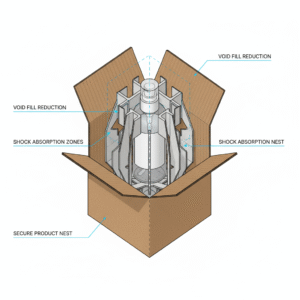
- Shock Resistance: Your design must ensure the product is secured inside with minimal void space. This often requires structural design (like molded infill or die-cut inserts) to keep the product rigid and protected against drops and impacts (ISTA 6 testing).
- Right-Sizing: Avoid the mistake of shipping small items in oversized boxes. Right-sizing minimizes movement, reduces the need for excessive filler materials, and prevents the package from being easily crushed.
- Material Choice: For fragile items, robust materials like B-Flute or E-Flute corrugated cardboard are essential. For soft goods, durable poly mailers are a lightweight, cost-effective option.
Pillar 2: Presentation—The Unforgettable Unboxing Experience
The unboxing experience is the theatrical moment your brand story comes to life. It is crucial for customer retention and organic social media sharing (40% of consumers share packaging if it’s branded!).
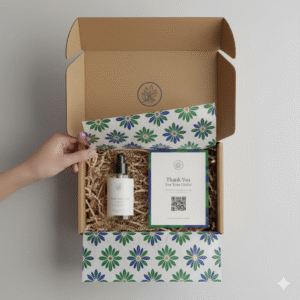
- Branded Mailers: Start with custom shipping boxes or mailers featuring your logo and brand colors. This builds instant anticipation upon arrival.
- Layering and Delight: Create layers. Use branded tissue paper, custom stickers, or a personalized thank-you note on a postcard. These small touches increase the perceived value of the product, making a customer feel appreciated.
- Interactive Elements: Incorporate a QR code on an insert that links to a product tutorial, a loyalty program sign-up, or a discount for their next purchase. This bridges the physical package to your digital ecosystem.
Pillar 3: Profit—Right-Sizing and Cost Optimization
Smart design protects your margins. Shipping companies charge based on dimensional weight (Dim Weight), meaning size and weight directly impact your cost.
- Minimalism for Savings: Designing packaging systems that use fewer materials and less void fill not only supports sustainability but also saves money on the total shipping cost.
- Frustration-Free Design: Adopting Frustration-Free Packaging (FFP) principles—easy-open tabs, minimal waste—can reduce fulfillment complexity and often qualifies brands for financial incentives from major retailers.
- Bulk Ordering: Buying customized packaging and inserts in bulk quantities drastically reduces the per-unit cost, making the investment much more justifiable.
The New Standard: Sustainability and Smart Packaging
Sustainability is no longer a niche trend; it’s a core expectation (67% of consumers want recyclable packaging).
- Eco-Friendly Materials: Brands are rapidly switching to 100% recycled paperboard, compostable mailers (made from cornstarch/plants), and paper-based void fill alternatives (crinkle paper, honeycomb cardboard) instead of plastic air pillows or Styrofoam.
- Clear Communication: Use your packaging to clearly communicate your sustainability efforts and provide recycling/reuse instructions to the customer.
Portfolio Showcase: Packaging Design Excellence
See how our strategic designs create unique market positions and measurable impact for our clients: