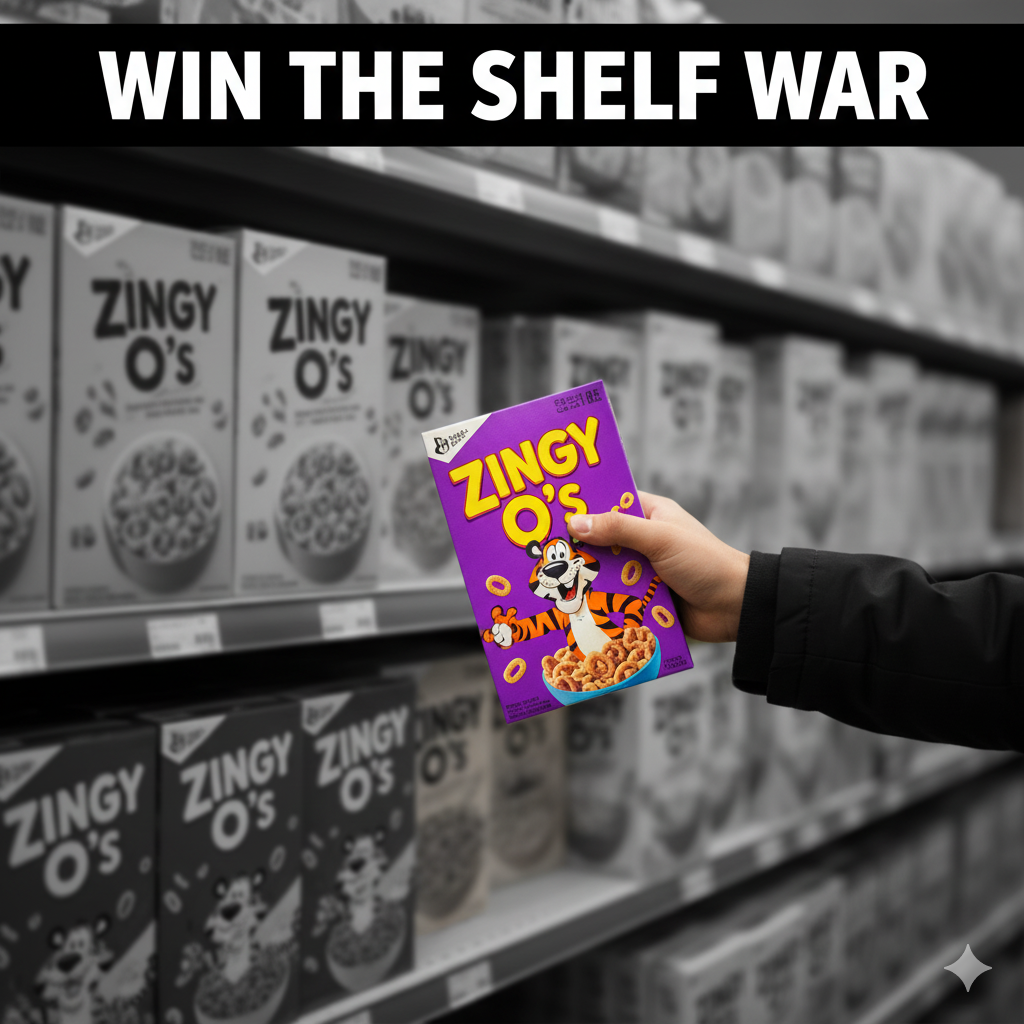
Basic Packaging Design: The 5 Non-Negotiable Fundamentals for Startups
Table of Contents
- Introduction: Why Fundamentals Trump Flashy Graphics
- Fundamental 1: Protection—The Primary Purpose
- Fundamental 2: Functionality—Making it Practical
- Fundamental 3: Clarity—The Instant Communication Test
- Fundamental 4: Branding—Consistency is Recognition
- Fundamental 5: Compliance—The Legal Requirements
- Design Deliverables: What Your Basic Designer Must Provide
- Common Mistakes in Basic Design (And How to Avoid Them)
- Frequently Asked Questions (FAQs)
- The Basic Design Scorecard
- Conclusion: The Power of Getting the Basics Right

Introduction: Why Fundamentals Trump Flashy Graphics
When launching a new product, it’s easy to get lost in the exciting world of custom colors, embossing, and fancy features. However, for startups and small businesses, success hinges on mastering the basic packaging design fundamentals. This initial stage isn’t about being the most beautiful; it’s about being the most functional, protective, and clear. A package that looks stunning but fails to protect the product or communicate its purpose clearly is a massive failure. Investing time in these five non-negotiable basics ensures a solid foundation for future growth and saves you costly mistakes down the line, yaar.
Fundamental 1: Protection—The Primary Purpose
The most basic job of any package is to protect the product inside. Whether your product is fragile or sturdy, the design must account for two phases of protection:
- Shipping & Transit: The container must withstand the shocks, vibrations, and drops of the distribution system (whether courier or retail logistics). For e-commerce, choose a sturdy corrugated mailer box that fits the product snugly to prevent movement.
- Preservation: For food, cosmetics, or chemicals, the package must preserve the contents by providing a barrier against moisture, light, or air. Select food-grade materials that won’t compromise the product’s quality.
Fundamental 2: Functionality—Making it Practical
Basic packaging should prioritize the user experience (UX) and ease of handling for both the customer and the retailer.
- Ease of Use: Can the customer open, dispense, and reseal the package easily? Avoid overly complex seals, plastic clam-shells, or excessive glue that leads to “wrap rage.”
- Ergonomics: For retail, the package must be easy to stock, stack, and display on a shelf. A simple six-sided rectangular box is often the most cost-effective and logistical choice.
- Product Fit (Right-Sizing): The package should be the minimum viable size needed to protect the product. This reduces material cost, minimizes void fill, and lowers shipping charges, directly impacting your bottom line.
Fundamental 3: Clarity—The Instant Communication Test
In a crowded market, your packaging must instantly tell the consumer: What is this, who is it for, and why should I buy it?
- Clear Hierarchy: The most important information (Brand Name, Product Type, Key Benefit) must be dominant. Use simple, bold typography.
- Concise Messaging: Avoid clutter. Use minimal, punchy copy that clearly communicates the product’s main value proposition.
- Visual Alignment: The colors and simple graphics should immediately signal the product category (e.g., green for natural, white for clean/pure).
Fundamental 4: Branding—Consistency is Recognition
Even at the basic level, consistency builds trust. Your core brand identity must be present and uniform across all products.
- Logo Placement: Ensure the logo is clearly and consistently placed on the main display panel.
- Color Use: Stick to your defined CMYK or Pantone color code. This is crucial for avoiding expensive print variations between batches.
- Typography: Use one or two readable fonts consistently across all text to reinforce a professional brand identity.
Fundamental 5: Compliance—The Legal Requirements
Compliance is non-negotiable. Missing or inaccurate information can lead to product seizure, recalls, or fines.
- Barcodes: Ensure a scannable UPC or EAN barcode is present, clearly placed on a flat, contrasting background.
- Required Information: Depending on your product (food, beauty, electronics), you must include mandatory items like:
- Net weight/volume.
- Ingredients/Contents list.
- Manufacturer details/Country of Origin.
- Safety warnings (if applicable).
Design Deliverables: What Your Basic Designer Must Provide
When hiring a designer for basic packaging, always insist on these professional, print-ready files:
- Editable Vector Source File (.AI or .EPS): This is the original file that allows for future scaling and edits.
- Print-Ready PDF: A high-resolution file in CMYK color mode, with the proper die-line and bleed margins included.
- High-Res 3D Mockup: A visual representation of the final product for your marketing materials.
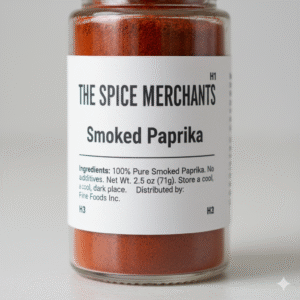
Common Mistakes in Basic Design (And How to Avoid Them)
- Mistake: Using RGB colors (Avoid!)
- Fix: Always design and request final files in CMYK (Cyan, Magenta, Yellow, Key/Black) for accurate print results.
- Mistake: Assuming the design fits the box.
- Fix: Always obtain the manufacturer’s exact die-line template first and design your artwork onto that template.
- Mistake: Forgetting to convert text to outlines.
- Fix: Ask the designer to outline all fonts in the final file to ensure the printer sees the exact typography, even if they don’t have the font installed.
Portfolio Showcase: Packaging Design Excellence
See how professional expertise gets the basic fundamentals right—ensuring flawless printing and strong brand communication: