Branding and Packaging Agency: A 2025 Guide to Strategy, Structure & Shelf Power
Intro
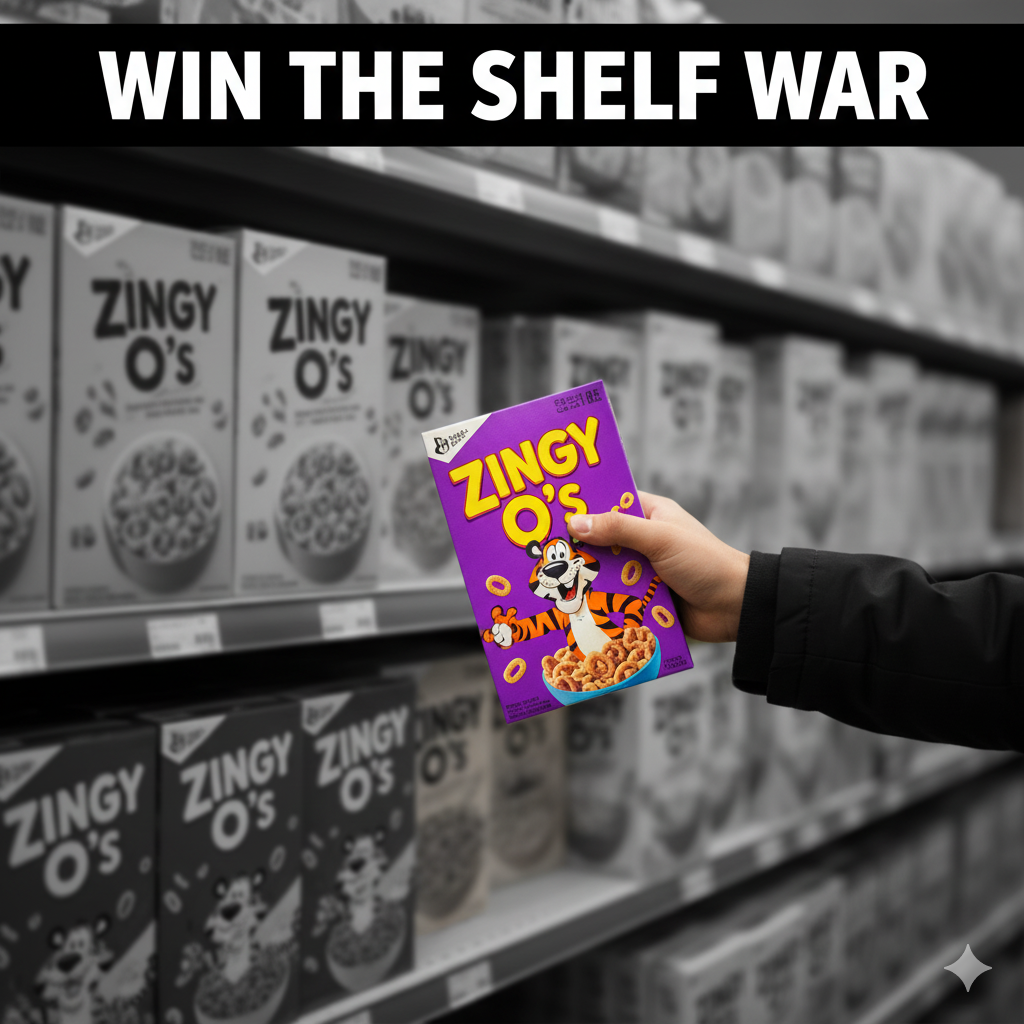
A branding and packaging agency is not just a “logo + box” vendor. It’s your end-to-end growth partner that aligns brand strategy, visual identity, structural engineering, compliance, and e-commerce visuals into one revenue system. In 2025, when attention spans chhote and categories crowded, the right branding and packaging agency helps you cut through noise, look premium online and on shelf, and keep ops smooth from dieline to doorstep.
Table of Contents
-
Why a Branding and Packaging Agency (Not Just a Designer)
-
Industry Context: What’s Different in 2025
-
Core Services & Features (What to Expect)
-
Scorecard: 12 Ways to Evaluate an Agency
-
Process: Strategy → Structure → Artwork → Prepress → Print
-
Visual System & Hierarchy (Readable, Scannable, Shoppable)
-
Compliance & Regulations (Category-Specific)
-
Print Methods & Finishes (Offset, Digital, Flexo + Embellishments)
-
E-Commerce Readiness (Thumbnail → PDP → Unboxing)
-
Sustainability Without Greenwashing
-
Common Mistakes & Quick Fixes
-
Files, Color, and Prepress (What Printers Actually Need)
-
Pricing, Timelines, and MOQs
-
Hire CTA + Internal Portfolio Links
1) Why a Branding and Packaging Agency (Not Just a Designer)
A solo designer can make visuals. A branding and packaging agency orchestrates brand strategy, structure, compliance, and conversion. The result? Cohesive identity, faster approvals, fewer print rejections, fewer returns, higher CTR on thumbnails, and better CVR on product pages. Basically — less friction, more sales.
2) Industry Context: What’s Different in 2025
-
Micro-launches & pilots: Digital print enables quick variant tests with low MOQs.
-
Omnichannel reality: Your pack must win on shelf, on camera, and in UGC.
-
Regulatory pressure: Supplements, food, pet, vape — tighter rules, higher scrutiny.
-
Ops meets brand: Dimensional weight, right-size packaging, and recycled boards affect margins directly.
-
3D-first marketing: Photoreal renders accelerate listings, ads, and A/B tests.
3) Core Services & Features (What to Expect)
A capable branding and packaging agency should cover:
-
Brand Strategy: Positioning, messaging, naming, voice, and brand book.
-
Structural Design: Custom dielines, inserts, transit tests.
-
Packaging Design: Grid systems, type scales, color tokens, variant logic.
-
Compliance Mapping: Category-wise checklists for claims, panels, icons.
-
Prepress & Color: Bleeds, trapping, overprint/knockout, Pantone governance, hard proofs.
-
Print Vendor Collaboration: Offset/digital/flexo selection and QC.
-
E-Com Visuals: Photoreal 3D renders, macro shots, lifestyle imagery.
-
Sustainability Options: FSC boards, soy inks, low-coverage finishes, right-size.
-
Launch Playbook: PDP checklist, thumbnail design, unboxing moments, reprint SOPs.
4) Scorecard: 12 Ways to Evaluate an Agency
-
Case studies with outcomes (not just pretty pics).
-
Niche fluency (food vs supplements vs vape vs beauty).
-
Dieline engineering chops (custom, not just templates).
-
Compliance rigor (matrix per region/category).
-
Prepress samples (correct bleeds, spot layers, separations).
-
Color management (Pantone, hard proof, delta E tracking).
-
Variant scalability (from 3 to 30 SKUs).
-
3D + PDP readiness (renders that match final print).
-
Printer network (quality + timelines + finishes).
-
Sustainability clarity (real substrates, not buzzwords).
-
Project management (sprints, feedback cycles, version control).
-
Post-launch support (reprints, color drift, expansions).
5) Process: Strategy → Structure → Artwork → Prepress → Print
-
Discovery: Positioning, audience, regulatory region, SKU map.
-
Structure: Custom dieline, white mock, fit/transit checks.
-
Identity/Visual System: Logo/marks, type system, color tokens, iconography.
-
Copy & Compliance: Ingredients, warnings, nutrition/supplement facts, certs.
-
Artwork Assembly: Linked 300 DPI images, vector codes, spot layers.
-
Prepress: 3 mm bleed, trapping, overprint rules, rich black specs.
-
Proofing: Soft proof + hard proof for color-critical SKUs.
-
Production: Offset/digital/flexo; finishes (foil, emboss, spot UV).
-
QC & Logistics: Glue/rub tests, palletization, carton labels, inserts.
-
Rollout: PDP packshots, thumbnails, macro compliance shots, unboxing assets.
-
Post-launch: Delta E logs, reprint notes, cost optimization.
6) Visual System & Hierarchy (Readable, Scannable, Shoppable)
Design for the 3-second read:
-
Top band: product name + core benefit.
-
Center: hero claim/icon; keep it uncluttered.
-
Bottom: variant + net wt + microcopy.
-
Side/Back: usage, ingredients, certifications, brand story.
Use 2–3 font families max, consistent spacing, and high contrast for micro text. Your branding and packaging agency should document the grid, spacing tokens, and type scales in the brand book.
7) Compliance & Regulations (Category-Specific)
-
Food: Nutrition Facts, allergens, origin, date code.
-
Supplements: Supplement Facts, structure/function disclaimers, lot/expiry.
-
Pet: AAFCO or local equivalents, species clarity, feeding guide.
-
Vape/Restricted: Age marks, regional warnings, claim limitations.
The right agency builds a compliance matrix to avoid costly relabels and reprints.
8) Print Methods & Finishes (Offset, Digital, Flexo + Embellishments)
-
Offset (litho): Best for high-quality cartons at scale; tight registration.
-
Digital (HP Indigo etc.): Speed + low MOQ; perfect for pilots and seasonal SKUs.
-
Flexo: Labels, pouches, corrugate; efficient on volume.
Finishes & Embellishments
-
Coatings: AQ, UV, soft-touch; mind rub resistance.
-
Foils: Metallic/holographic; crown the hero zones only.
-
Spot UV: Pop for logos/claims; avoid over small copy.
-
Emboss/Deboss: Premium tactility; test board crack risk.
-
Metallic/Neon inks: High impact, use judiciously for legibility.
9) E-Commerce Readiness (Thumbnail → PDP → Unboxing)
-
Thumbnail: clean background, high contrast edge, one bold claim.
-
PDP Gallery: front/back, angle, macro, lifestyle, certification close-up.
-
Unboxing: easy tear, interior print surprise, no ink rub, neat folds.
-
Video/Reels: 9:16 demo with quick benefits, pour/open shots, macro details.
A good branding and packaging agency designs the PDP assets alongside the pack artwork, so your launch is fast and consistent.
10) Sustainability Without Greenwashing
-
Boards: FSC/PEFC options, recycled SBS, right-size to cut waste.
-
Inks & coats: Soy/vegetable inks, water-based coatings.
-
Design: Minimal ink coverage, fewer foils, smart inserts.
-
Ops wins: Lower dimensional weight → real shipping savings.
Keep claims honest and verifiable; use simple symbols with a link/QR to your policy.
11) Common Mistakes & Quick Fixes
-
Tiny text on textured art: Add a solid color chip; increase contrast.
-
RGB/Spot leftovers: Convert to CMYK/Pantone; embed print profile.
-
No bleed / wrong scale: 3 mm bleed minimum; verify dieline at 100%.
-
Barcode fails: Test scans on printed proofs (not just screen).
-
Over-finishing: One or two hero finishes max; keep it classy.
-
Inconsistent claims across SKUs: Maintain a source-of-truth doc.
12) Files, Color, and Prepress (What Printers Actually Need)
-
Files: AI/PDF with outlined fonts + linked images at 300 DPI.
-
Color: Pantone notes + CMYK breakdown; use rich black for large solids only.
-
Layers: Dieline, varnish, foil as separate spot layers (e.g., “VARNISH_SPOT”).
-
Overprint: Cautious use; knockout for small white type.
-
Trapping: 0.1–0.2 mm to avoid halos on tight registration.
-
Barcodes/QR: Vector preferred; keep quiet zones; print and test.
13) Pricing, Timelines, and MOQs
-
Brand + Pack Design: Typically 2–4 weeks depending on scope and SKUs.
-
Printing: Digital ~3–7 days; Offset ~7–14 days (finishes add time).
-
MOQs: Digital 100–1000 workable; Offset often cost-effective at 1000+.
-
Cost Levers: Board thickness, finish count, gang-runs across variants, logistics planning.
Pro tip: Pilot with digital; scale to offset once demand locks in.
14) Hire Us (Portfolio Links)
Want a branding and packaging agency experience with maker-speed execution? Dekho real work:
-
Vape & High-Impact Cartons: Vape Packaging Design Store
-
Food & Sushi Boxes: Sushi Packaging Design
Send your SKU list + category + target region; I’ll map your structure, finishes, and a press-ready launch plan. -
FAQs
Q1. What’s the difference between a branding and packaging agency vs a graphic designer?
Agency = strategy + structure + compliance + prepress + vendor management. Designer = visuals only (usually). For launches and scale, agency wins on consistency and speed.Q2. How long does it take to launch new packaging?
Typically 2–4 weeks for design (brand + pack) and 3–14 days for print depending on method and finishes.Q3. Which print method is right for me?
Short runs/speed → Digital; larger retail runs → Offset; labels/pouches/corrugate → Flexo. Many brands use a mix.Q4. Do I need certifications/icons on pack?
If applicable: FSC/PEFC, allergens, age marks, FDA-style disclaimers, cruelty-free, recyclable. Only use legit, verifiable marks.Q5. What files do printers prefer?
AI/PDF, outlined fonts, linked 300 DPI images, Pantone notes, vector barcodes, 3 mm bleed, separate spot layers for foil/varnish.Q6. How do I ensure color consistency across reprints?
Lock Pantones, request hard proofs for hero SKUs, maintain delta E logs, standardize lighting for photos/renders.Q7. Can the agency provide e-commerce packshots and macros?
Yes — the best agencies deliver photoreal 3D renders and macro compliance close-ups aligned with final artwork.